



Babban Riga & Kaftan Styles for Northern Nigerian Men
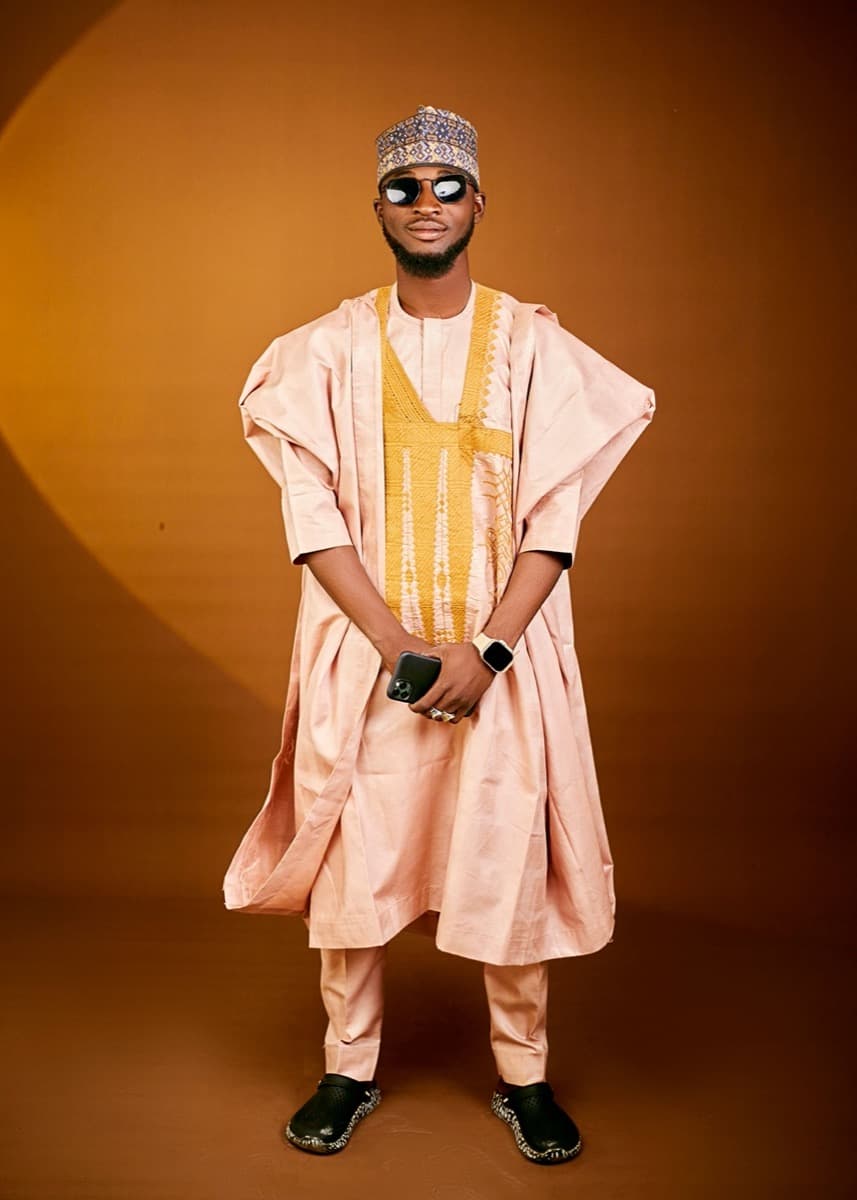
"Kaftan" gets used as a catch-all in Nigeria today, but the men's Northern Nigerian version is really two related garments with two different names — kaftan and babban riga — and knowing the difference actually matters when you're talking to a tailor about what you want.
Here's the real distinction, the fabric behind it, and what's trending right now.
Kaftan and Babban Riga — What's Actually Different
Babban riga ("big gown" in Hausa) is the real name for the large, flowing, wide-sleeved outer robe worn by Northern Nigerian men for formal and ceremonial occasions — Eid, Sallah, Durbar, naming ceremonies, turbaning. Traditionally, it's worn as a three-piece set: the babban riga on the outside, a simpler, more fitted long-sleeved tunic underneath it, and an embroidered cap called a hula. That inner tunic is technically the kaftan — the "everyday" base layer, worn to work, to the mosque, to the market, without the outer gown over it.
In practice, most people now say "kaftan" for the whole silhouette, inner and outer alike — that popular usage is exactly why it dominates in search and retail, even though it's technically the name for just one piece of a larger outfit.
One clarification worth making up front, since the terms get mixed up online: you'll also see "bubu" (or boubou) mentioned alongside babban riga — historically they share a root, both descending from the same trans-Saharan flowing-robe tradition (boubou is the Wolof name for it, babban riga the Hausa one). But that shared history is 19th-century and earlier. In current Nigerian fashion retail, "bubu" has moved on to mean something specific and different: a loose, flowing women's dress — usually ankara or lace, worn casually — with essentially no overlap with the men's babban riga/kaftan this post is about. If you're shopping and see "bubu gown" results, that's almost certainly what you'll find, not menswear.
The babban riga tradition itself goes back centuries — Sahelian trading groups wore an early version of it for protection crossing the Sahara, Malian nobility adopted it as a status symbol by the 12th-13th centuries, and it became the formal dress of the Sokoto Caliphate's administrative and religious elite through the 19th century. That history is part of why it still reads as formal, dignified wear today, not just "traditional clothing."
The Fabric: Guinea Brocade
Unlike aso oke (handwoven) or ankara (wax-printed cotton), the classic fabric for a babban riga or kaftan is guinea brocade — sometimes called bazin or shadda — a cotton fabric with the pattern jacquard-woven directly into it, giving it a glossy, slightly stiff, textured finish. A lighter cotton called atiku is also strongly associated with Hausa and Fulani dress, used where a less heavy fabric is wanted.
The embroidery is a real part of the garment's identity, not just decoration — concentrated at the chest, neckline, and sleeves, in hand or machine work using geometric patterns, floral motifs, and lineage-linked designs. Different pattern styles are said to carry different meaning (geometric patterns tied to tribal identity, floral to prosperity), though there isn't one single named embroidery technique the way aso oke has sanyan or alaari — it's a broader craft tradition rather than a fixed vocabulary of named styles.
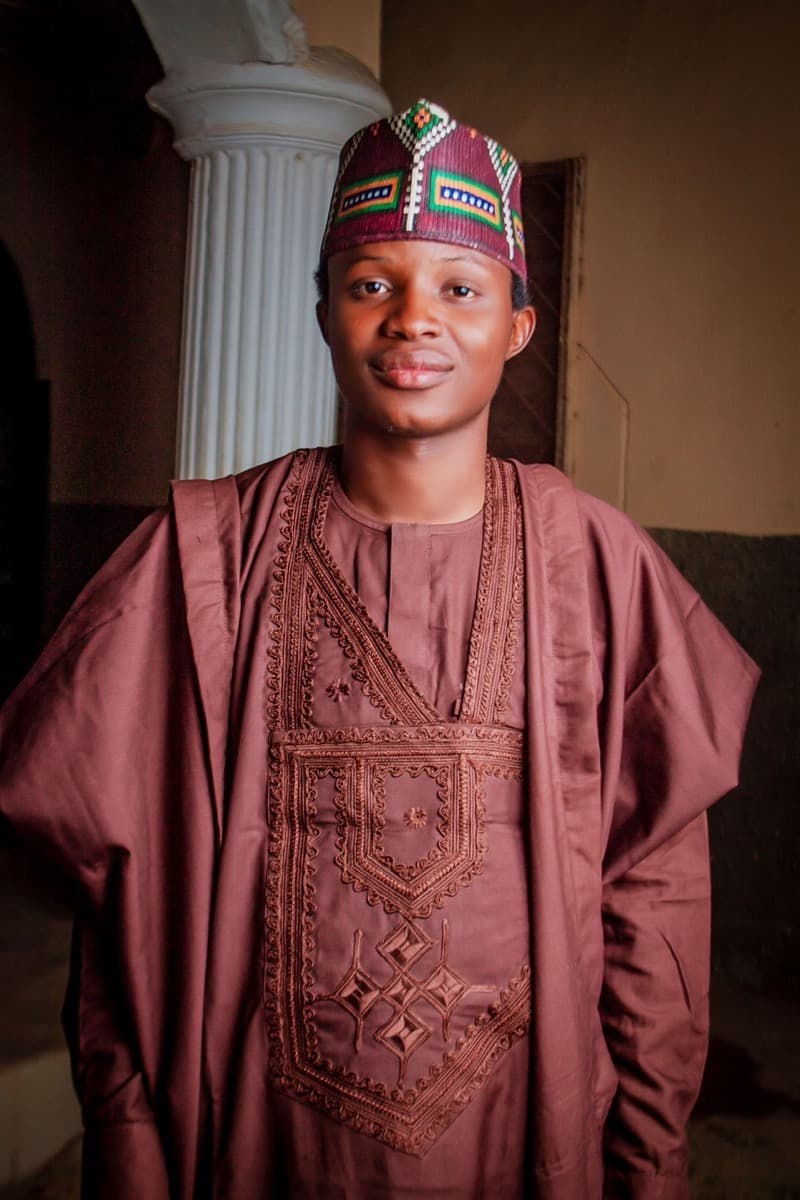
The chest embroidery on a babban riga isn't just decoration — it's often tied to identity, lineage, or meaning.
What's Trending
Broader Nigerian menswear coverage (not exclusively Northern-focused, but still a real signal) points to a few consistent threads right now: earthy, muted color palettes — olive, burnt orange, taupe, browns — alongside classic cream, navy, and forest green for formal occasions. Embroidery is trending more restrained than elaborate: concentrated at the collar, placket, and chest pocket in a single tonal thread color, rather than spread across the whole garment. Alongside the traditional flowing babban riga, a more tailored "senator-style" kaftan with a slim, structured mandarin collar has become a common everyday and office option.
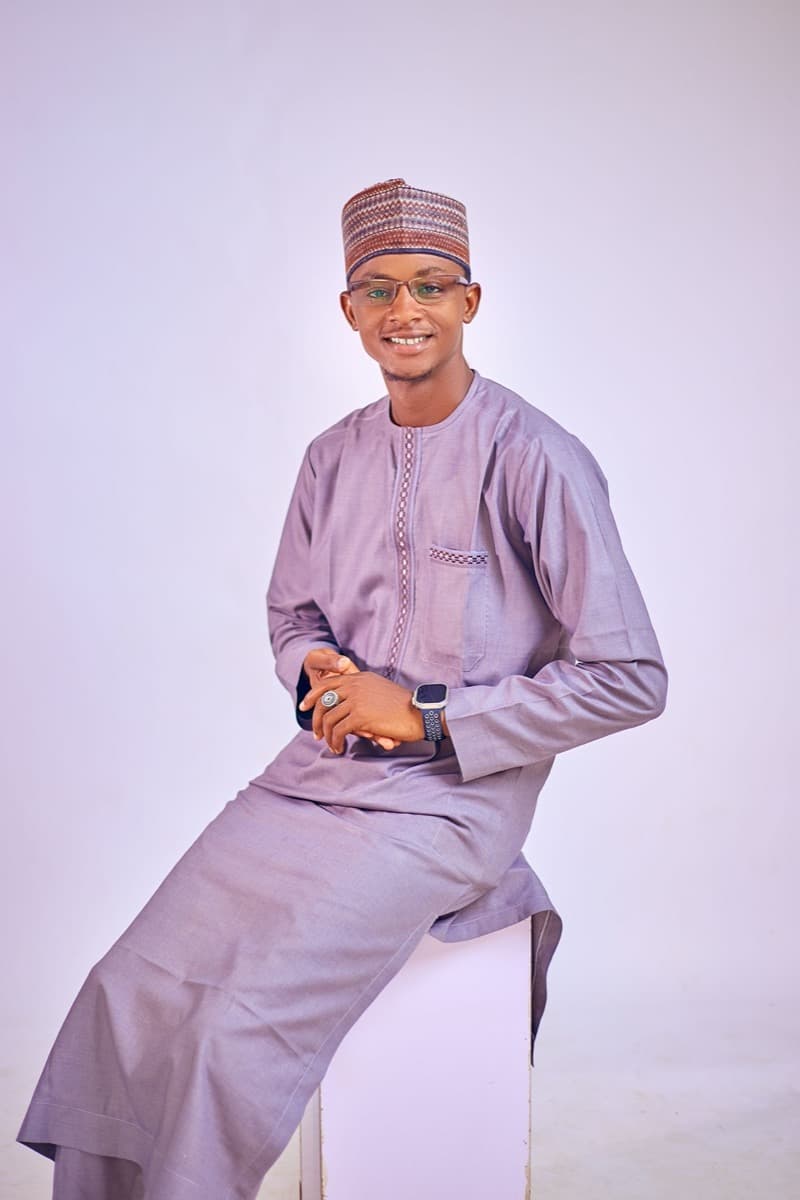
The senator-style kaftan — fitted, structured collar — next to the flowing babban riga above shows how different the two silhouettes actually are.
Designers Worth Knowing
House of DUKE, based in Kaduna, is a bespoke menswear name doing kaftan sets with global delivery — one of the clearer, more established names to know if you're looking at Kaduna-based tailoring specifically.
What to Budget
Real pricing signals here come from general Nigerian marketplace listings rather than Kaduna/Kano-specific market data, so treat this as a starting reference, not a local price guide: finished men's kaftans typically run ₦17,000-₦75,000, clustering around ₦26,000-₦40,000, while raw guinea brocade fabric runs roughly ₦9,500-₦50,500 depending on yardage and quality. Bespoke babban riga pricing, especially for heavily embroidered ceremonial pieces, isn't well represented in online marketplaces at all — expect to get a real number directly from a tailor rather than a listing.
Caring for Guinea Brocade
This fabric needs different handling than either aso oke or ankara:
- Dry cleaning is the safest option; if you hand-wash, use cold water and mild detergent — hot water causes bleeding and fading, especially on hand-dyed pieces.
- The first few washes matter most: rinse under cold running water until it runs clear, which can take 15-30 minutes.
- Never tumble dry — heat causes shrinkage and distortion. Hang to dry instead.
- Iron on low heat with a pressing cloth between the iron and fabric.
- Light starching after ironing helps restore the crisp, formal stiffness the fabric is known for.
Ordering Yours
Because guinea brocade behaves differently from both aso oke and ankara, it's worth confirming your tailor has worked with it before, especially for a heavily embroidered babban riga where the weight and stiffness of the fabric affects how it drapes. If you're comparing fabric options for your next order, our guides to aso oke and ankara cover the other two.