



Senator Wear Styles for Men in 2026
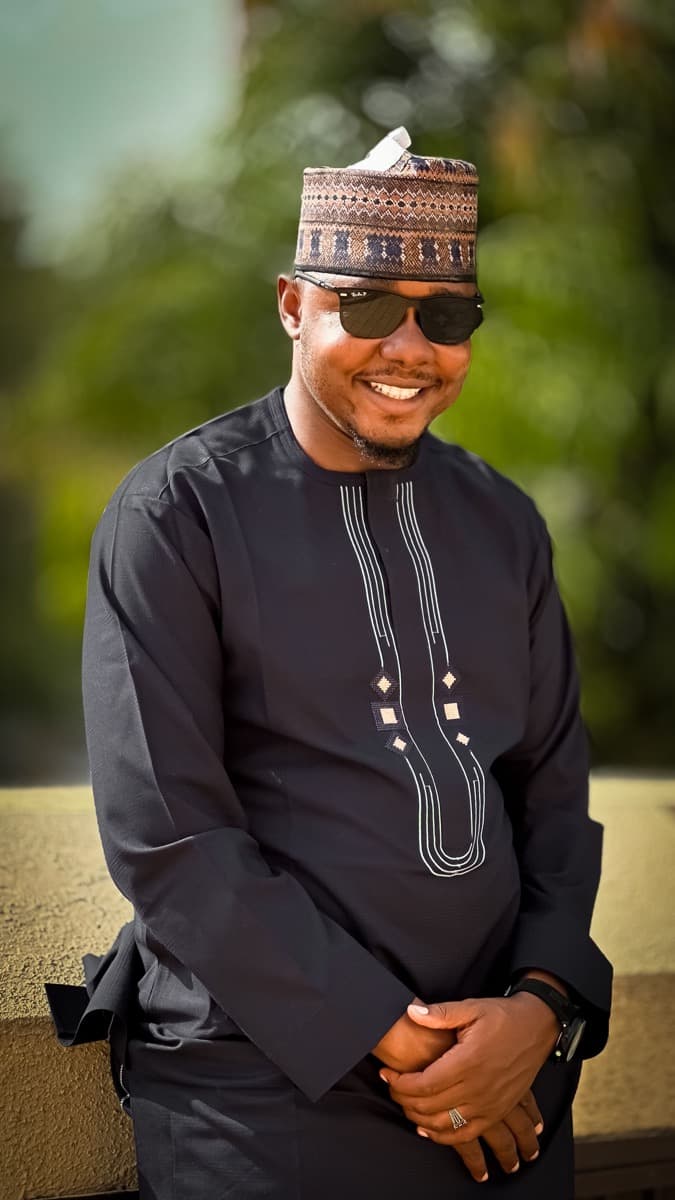
Senator wear — sometimes called "up and down," since the top and trousers are cut from matching fabric — is one of the most widely worn semi-formal outfits for Nigerian men. It sits in a genuinely useful gap: sharper than a plain shirt and trousers, more comfortable and less costly than a full agbada set, and adaptable enough to move between the office, a wedding, and a casual outing without feeling out of place at any of them.
Here's what actually defines it, how it differs from the similar-looking Atiku style, and what's real about the 2026 trend coverage versus what's just SEO-listicle repetition.
Where the Name Comes From
Two different origin stories circulate, and they genuinely conflict — so it's worth holding both loosely rather than treating either as settled history. One version frames senator wear as a post-independence reinterpretation of the agbada, a simplified everyday take on formal native wear. The more specific, more commonly cited version credits former Senate President Anyim Pius Anyim (in office 2000–2003) with popularizing the look during his time in office, with the fabric itself gaining traction through imported Asian textiles reworked by tailors in Aba and Lagos in the early 2000s. Neither version is backed by contemporary reporting from that era — no interview or archival piece was found confirming the Anyim Pius Anyim connection directly — so treat it as the most commonly repeated explanation, not a confirmed fact.
What Actually Defines Senator Wear
Strip away the marketing copy and the construction is fairly consistent across sources: a tunic-style top reaching roughly mid-thigh to knee length, with slits at the hem for movement. The collar is the clearest identifying feature — usually a round collar or a mandarin/stand collar (a low, upright collar that doesn't fold over) — closed with three to five buttons or a zipper down the center front.
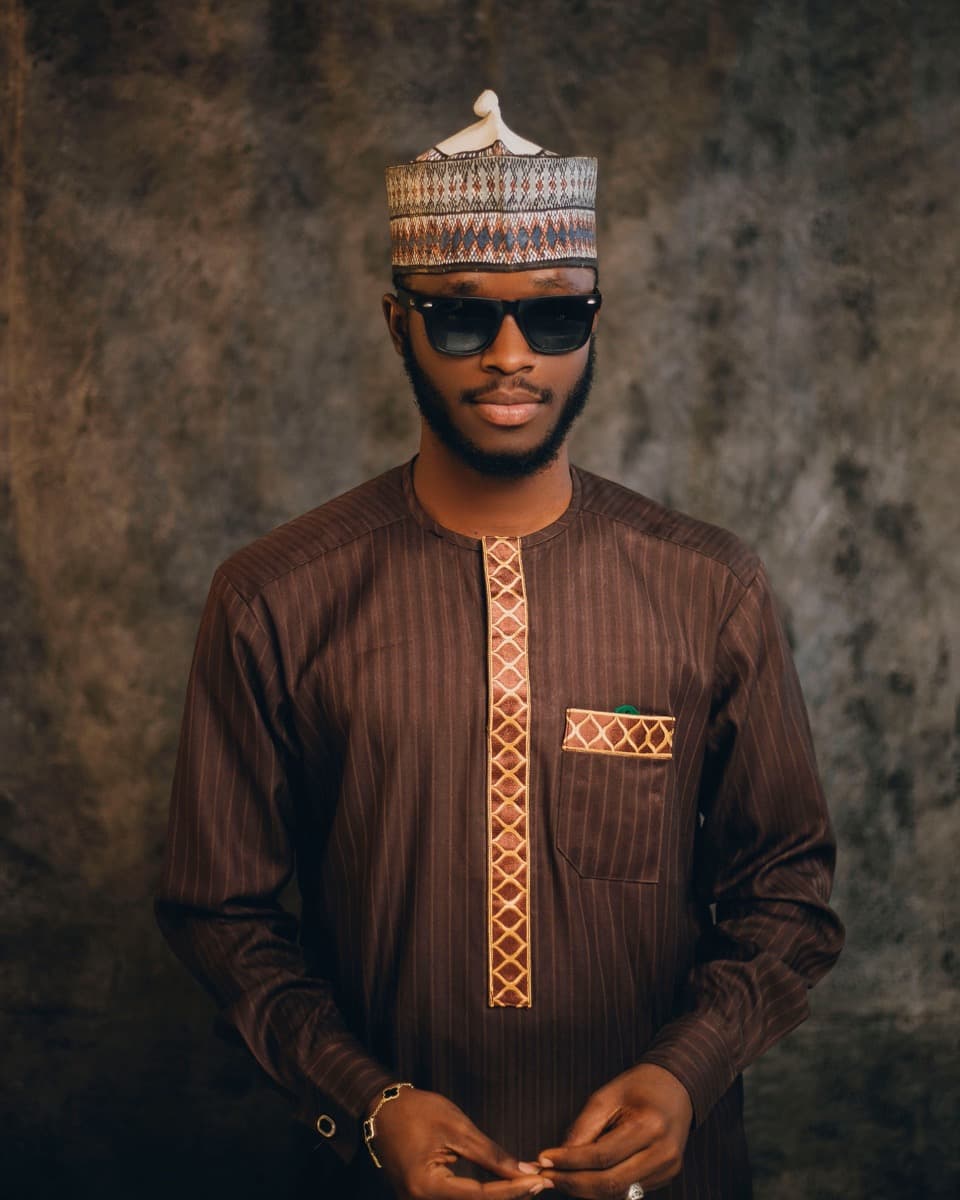
The mandarin collar and centered button placket — the clearest visual signature of senator wear.
Embroidery, where present, is concentrated at the collar and runs down the center front in a Y- or T-shaped line, sometimes extending to the cuffs and hem slits. Compared to a heavily embroidered agbada or kaftan, senator embroidery has always run lighter — and current styling pushes that further, toward minimal, precisely placed detail rather than dense coverage.
The trousers are what make it "senator" rather than just a native shirt: cut from the same fabric as the top, straight or slightly tapered, with an elastic or drawstring waist or belt loops. That matching-fabric pairing is the "up and down" the style is named for. A three-piece version exists too, adding a sleeveless outer vest for extra formality.
Senator Wear vs. Atiku Style — They're Not the Same Thing
These two get confused constantly, including by vendors who use the names loosely, but the lineage is genuinely distinct. Atiku style is named after former Vice President Atiku Abubakar and tends toward a plainer, firmer-textured fabric in block colors — black, white, navy, cream, sky blue, brown — usually short-sleeved with minimal embroidery. Senator wear has historically carried more structured detailing, comes in both long- and short-sleeve versions, and is defined by the up-and-down matching-fabric convention. If your tailor uses the terms interchangeably, it's worth clarifying which cut and collar you actually want rather than assuming the names mean the same thing.
What's Actually Trending in 2026
Real 2025 coverage (Zikoko, May 2025) and more recent trend digests point to a consistent direction: slimmer, more fit-conscious cuts replacing the traditionally boxier silhouette, with moderate lengths and lighter, more minimal detailing.
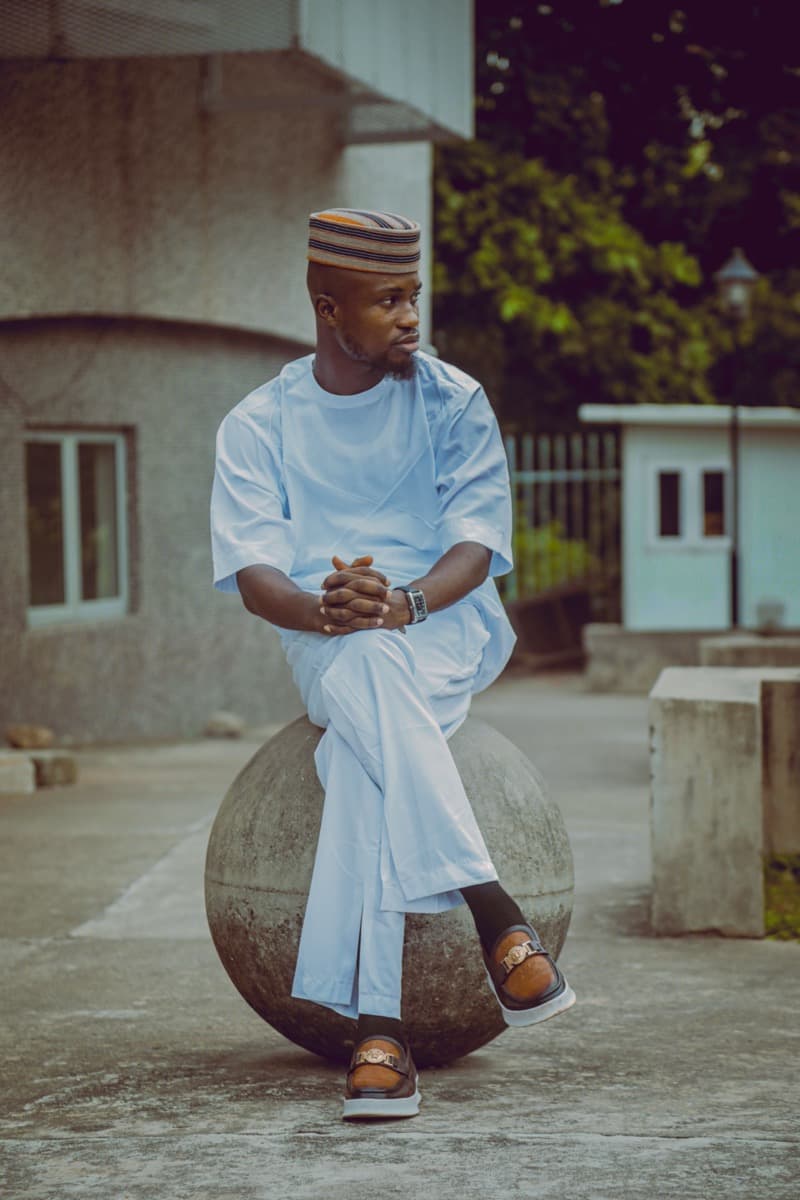
Wide-leg trousers paired with a shorter, fitted top — a pairing specifically credited to Davido's styling.
Color is trending neutral and premium-leaning: ivory, wine, plum, black, white, deep emerald, navy, and gold accents, with white in particular read as a "wealth and premium energy" signal in current styling coverage. On silhouette specifically, cropped or ¾-length trousers and short-sleeve or oversized tops are showing up alongside a wide-leg-trouser-with-short-sleeve-top pairing — a combination fashion coverage specifically credits to Afrobeats star Davido's public styling, rather than crediting any particular designer or fashion house.
For fabric, lightweight linen and soft cotton blends are gaining ground for Nigeria's climate, alongside the traditional heavier weights. One caveat worth being upfront about: senator fabric is often marketed as "cashmere" in the Nigerian market, but that's largely a commercial label rather than a claim about actual fiber content — most senator material is cotton, rayon, or a polyester-cotton blend, not genuine cashmere wool.
A Related but Different Style: Jonkoso
If you're comparing options with your tailor, you may hear "jonkoso" mentioned alongside senator wear — it's a related but genuinely separate style, not a senator variant. Jonkoso fabric has a thicker, rougher, more textured weave that holds structure well, and carries more prestige/ceremonial weight, especially in Yoruba traditional contexts — think chieftaincy events, traditional weddings, and naming ceremonies. Senator wear, by contrast, is smoother, lighter, and more adaptable across formal and casual settings alike.
Designers Worth Knowing
Honestly, this is a case where we couldn't find a name worth handing you. Senator wear doesn't appear to be a single-designer-driven trend the way some other styles are — it's a widely practiced tailoring tradition rooted in Aba, Lagos, and Kano workshops rather than runway fashion houses. Trend coverage credits public figures like Davido and Ebuka with popularizing specific current looks, but no stylist or designer is named alongside them. We'd rather say that plainly than invent a name to fill the section.
Occasions
This is one of the more consistently confirmed parts of the research: senator wear genuinely spans casual to semi-formal to celebratory settings — weddings as guest attire, engagements, church services, naming ceremonies, cultural events, office and business meetings, casual outings, date nights, and award ceremonies. That range is a big part of its practical appeal over more strictly ceremonial options like jonkoso or a full agbada set.
What to Budget
Pricing sources genuinely disagree here, so treat this as a spread rather than a fixed number. One 2025 editorial source (Zikoko) cites tailoring costs of roughly ₦25,000-₦35,000 for a basic outfit, ₦45,000-₦65,000 for embroidered or layered versions, and ₦70,000 and up for high-end custom work. Other, lower-confidence aggregator sources cite a wider and generally lower range. Fabric itself has been cited anywhere from roughly ₦5,000-₦10,000 per yard for standard material up to around ₦8,500/yard for premium "cashmere-style" senator fabric. Get an actual quote from your tailor rather than anchoring on any single number here — city, fabric grade, and embroidery all move the price meaningfully.
Ordering Yours
Bring your tailor a clear answer on collar type (round vs. mandarin), sleeve length, and how much embroidery you want, since those are the details that actually distinguish one senator outfit from another. If you're weighing it against a more traditional option, our agbada guide covers the more formal, higher-ceremony alternative.